

A guide to
Industry
Placements
Meet your future workforce before anyone else does
A T Level industry placement gives you months with a student who is training for your industry, with The City of Liverpool College handling the arrangements.
Offer a placement
Tell us the sector and the shape of placement that would work for you. Our team will do the rest.
What a T Level is
A T Level is a two-year Level 3 qualification for young people who have finished their GCSEs. Employers helped design them. Government describes each one as broadly equivalent in size to three A-levels.
The qualification splits into classroom learning and a substantial industry placement. Students finish ready to move into skilled employment, onto an apprenticeship or into higher education. They also carry UCAS points, with a Distinction* worth 168, the same as three A* grades.
T Levels launched in September 2020 and the College has been teaching them for several years. This is settled, proven provision rather than a pilot.
The process
-
Get in touch. Tell us the sector, the kind of work you could offer and roughly when suits. There is no cost and no obligation.
-
We check the fit. Our placement team will talk through what the qualification requires and agree what your student will actually do.
-
Meet the candidates. We offer a talent matching service, so you can interview students before you decide to go ahead.
-
Agree the arrangements. We handle the paperwork, including insurance, health and safety checks and the placement agreement.
-
Your student starts. They come to you with a named College contact who stays in touch throughout.
-
Review and finish. We check in with you and your student, and we handle the assessment side. Many employers go on to offer a job or an apprenticeship.
What a placement involves?
A T Level industry placement is a minimum of 315 hours. For students training as Early Years Educators the minimum is 750 hours.
How you deliver those hours is flexible, and became more flexible again in 2026. There is no single required model. You can run a placement:
-
on day release, in blocks, or part-time
-
shared with another employer, so no single business carries all of it
-
built around a defined project rather than a general attachment
-
with some hours delivered remotely, within current guidelines
You do not pay a wage for a T Level industry placement, although some employers choose to cover travel or lunch.

Shorter work experience placements
Not every business can commit to 315 hours, and you do not have to. We also arrange shorter work experience placements for students on our other courses, from a few days upwards. For many of our employers, a short placement is how the relationship starts.
Our T Level subject areas are growing and include:
- Construction: Design, Surveying and Planning for Construction
- Digital: Digital Software Development
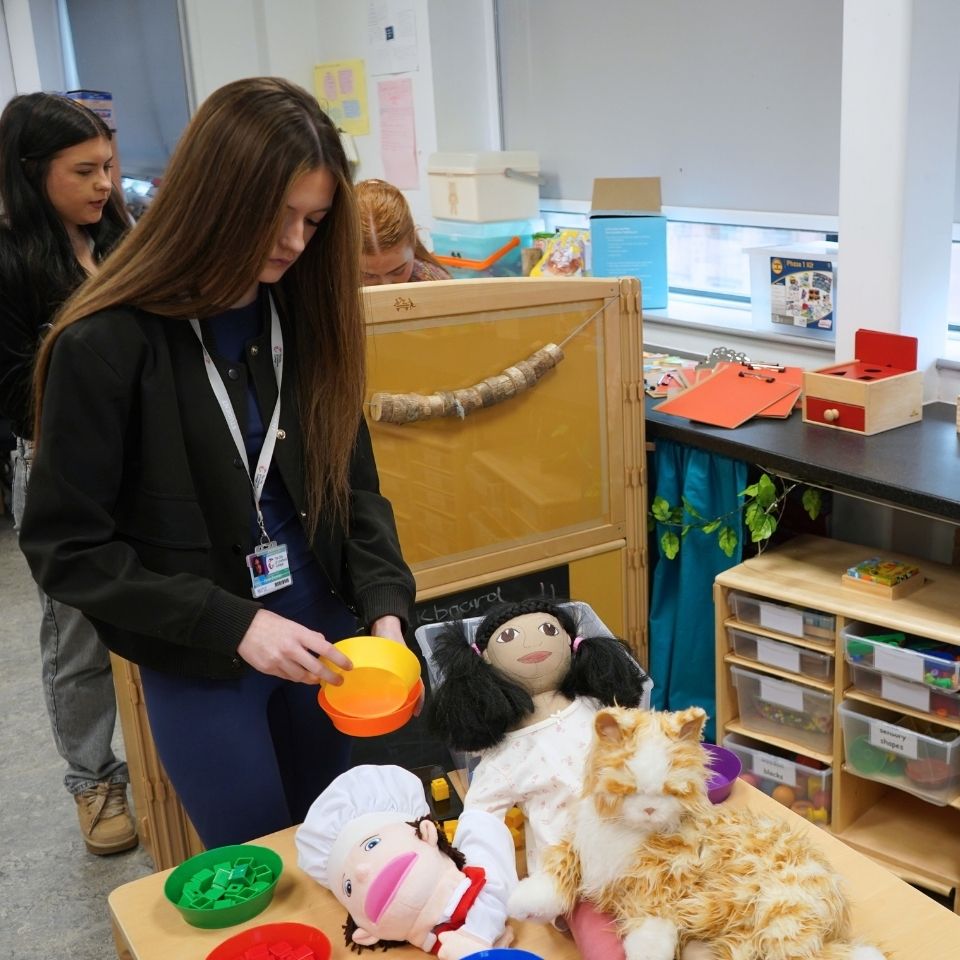
- Education and Childcare: Early Years Education and Childcare
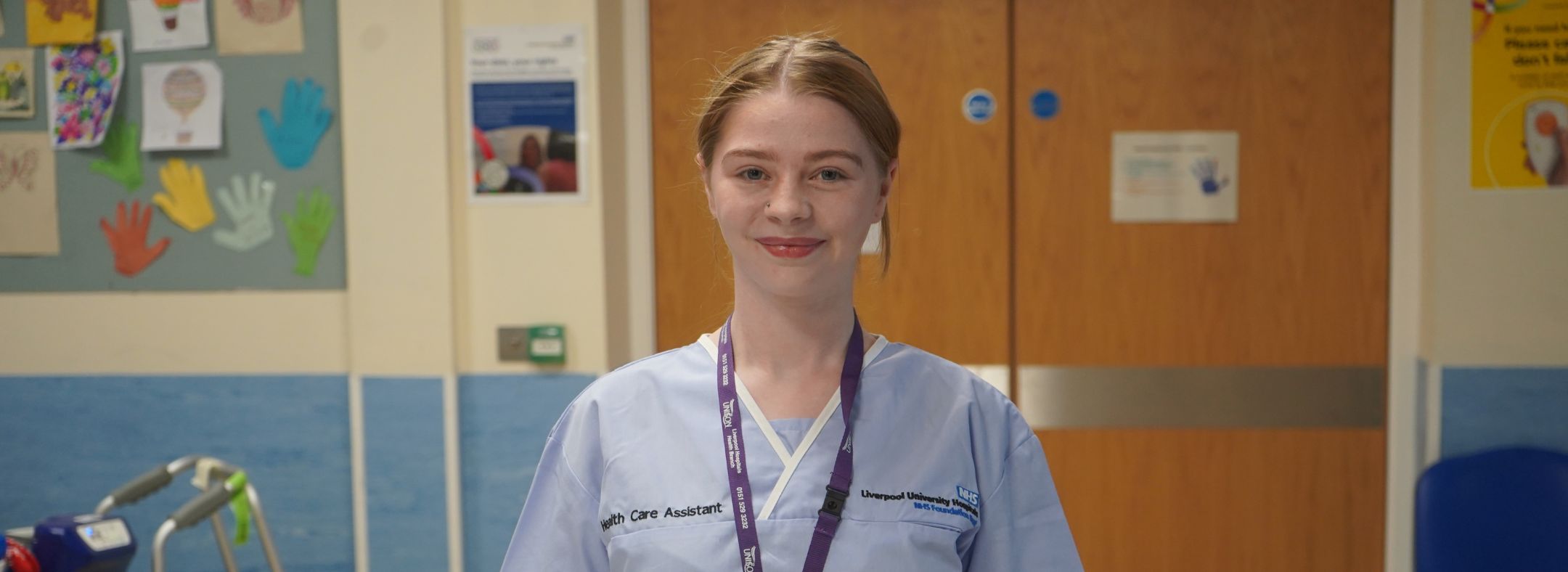
- Health: Adult Nursing
- Business: Management and Administration (Leadership and Management)
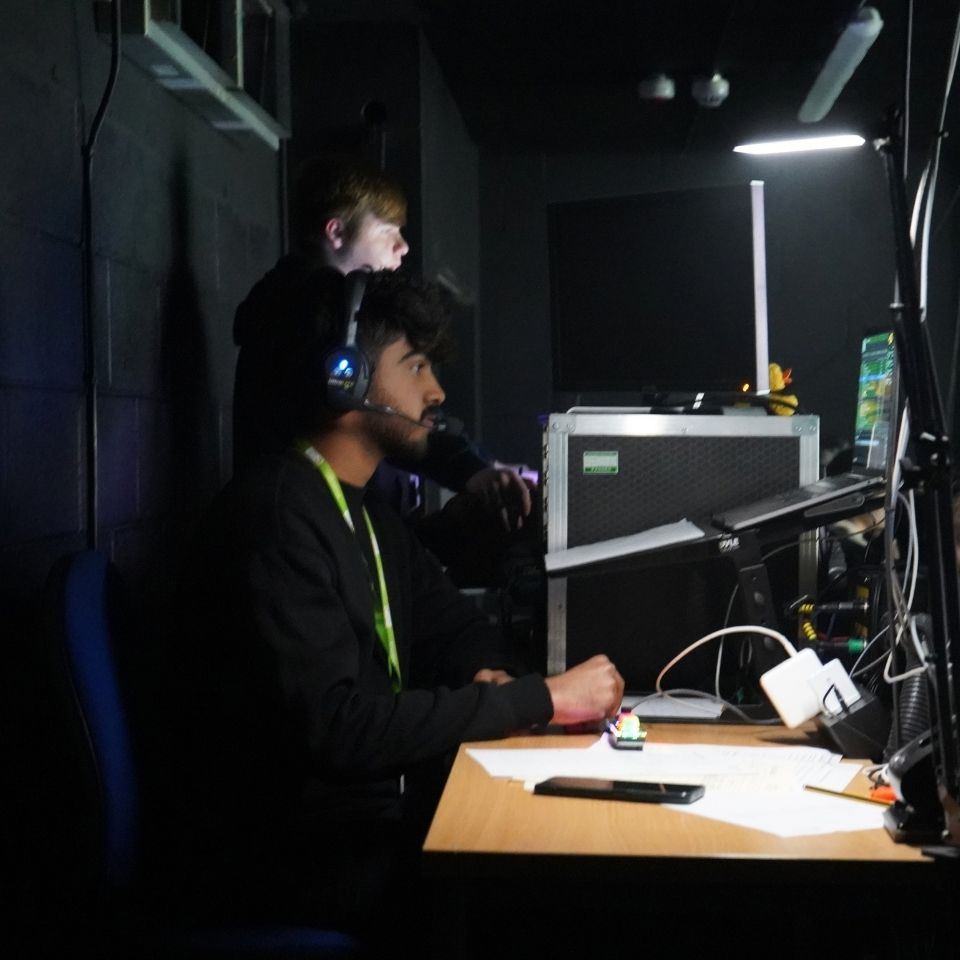
- Media: Media, Broadcast and Production (Content Creation and Production)
- Science: Science
Why take on a T Level student
A placement student is not work experience in the old sense. They arrive with technical training already behind them and they stay long enough to become genuinely useful.
-
You build a talent pipeline for entry-level roles without paying recruitment fees
-
Your team gains supervision and mentoring experience, which is good development for them too
-
A T Level can lead into an accelerated apprenticeship, because training does not need repeating. That means a shorter apprenticeship at lower cost to you
-
You contribute directly to skills in the city region, which you can evidence in social value reporting
Contact us
Make a real difference to the city’s students, contact us to find out more

- Clean Energy
- College
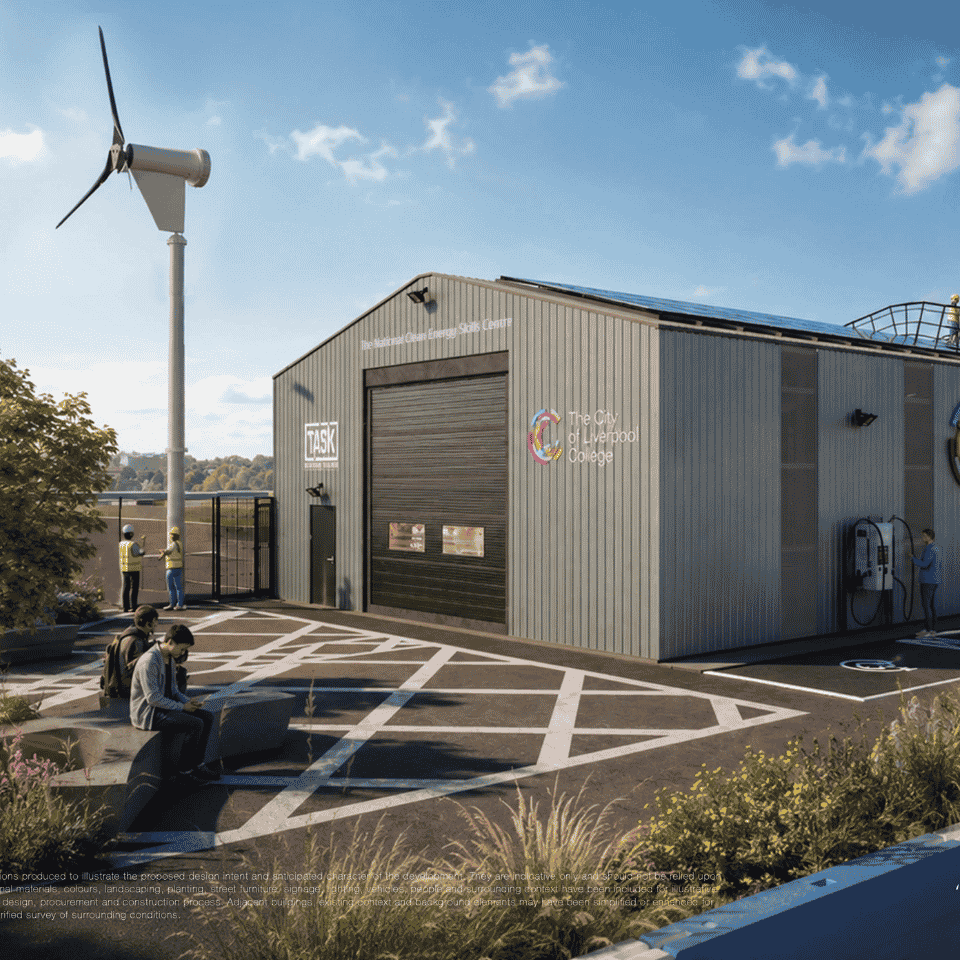
College breaks ground on £1m Clean Energy Centre
The development followsThe City of Liverpool College’s designation as a Clean Energy Technical Excellence provider by the Department for Education earlier this year, and is being funded through capital awarded as part of that status. Real-world training for real-world careers
11 August 2026
- College
- Construction and Trades
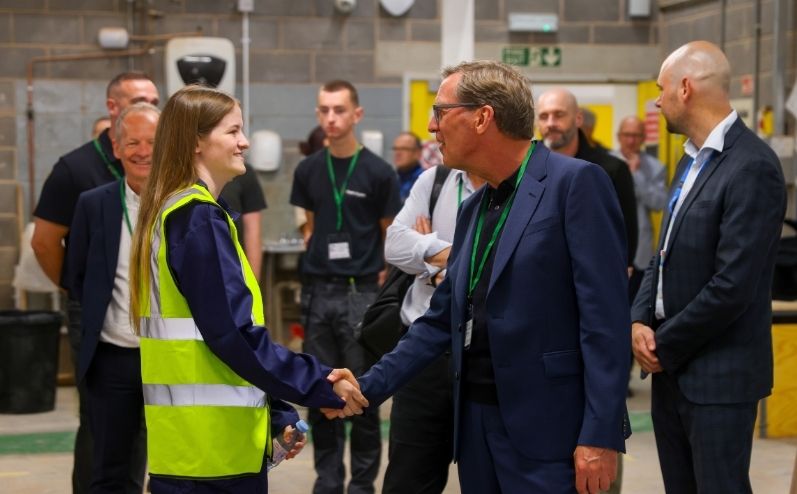
Alan Milburn visits The City of Liverpool College for national review into young people and work
Former Health Secretary, Alan Milburn, visited the College, as he continues his look at why so many young people are struggling to find their way into education, training, or employment.
22 July 2026
- College
College celebrates prestigious award for provision of vital support services for vulnerable students
The College secured an ARC Alex Timpson Award in the post-16 category in recognition of the impact of a key support service the College offers to students who have been affected by trauma.
3 December 2024
- College
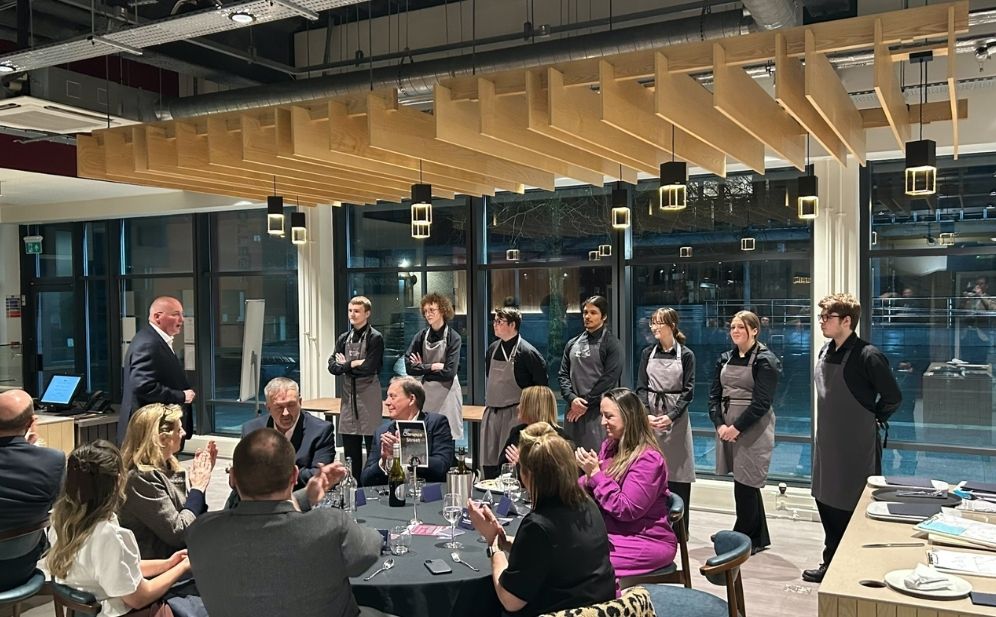
College hosts Stakeholder and Employers Dinner to Reaffirm its Commitment as the College for Business
As part of National Apprenticeship Week celebrations, the College hosted its annual Stakeholders and Employers Dinner to Reaffirm its Commitment as the College for Business
14 February 2026

- Engineering and Manufacturing
Employer Spotlight: Essar Energy Transition on investing in future talent
Our partnership with The City of Liverpool College has genuinely been transformational. When we set out to recruit our first cohort of Civils Apprentices, we were entering a completely new apprenticeship discipline, so having the right partner was critical.
9 February 2026
- College
Employer Spotlight: SURE Solutions on building future-ready talent
Our partnership has existed for several years and keeps going from strength to strength. The College is our go-to engineering partner, with excellent facilities, brilliant tutors and support staff.
11 February 2026
- Digital and IT
- Media and Games Design
- Performing Arts and Production
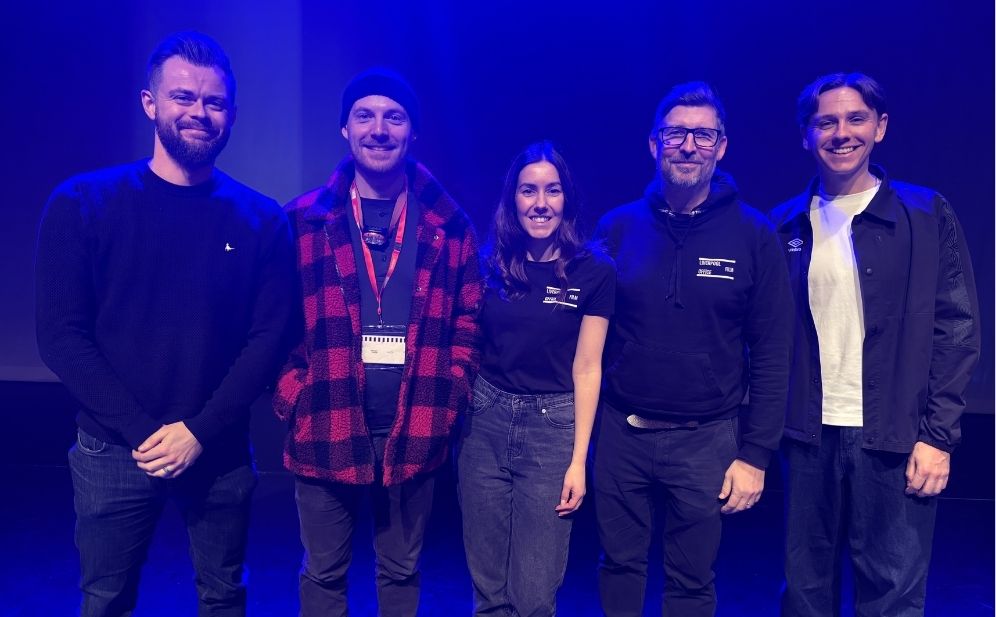
Liverpool Film Office shares Industry Insights with College Media Students
The College was proud to host the Liverpool Film Office (LFO) at the Arts Centre, as part of LFO’s Action! skills development programme, an initiative designed to support the next generation of talent entering the screen industries.
17 December 2025
- Creative Arts and Fashion
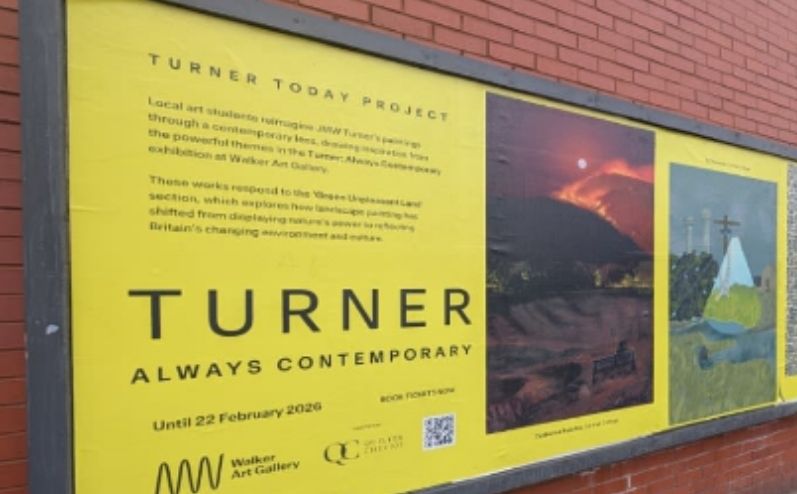
Students Collaborate on Turner Today Project
Our Level 3 Graphic Design and Art students worked alongside Carmel College, Winstanley College and Wirral Met Colleges as part of the Turner Today Project, a creative collaboration with the Walker Art Gallery.
23 February 2026
- Catering and Hospitality
Students Gain Valuable Industry Insight at British Bakels Competition
The event brought together talented bakers from across the region, with competitors showcasing an impressive range of creations throughout the day. Students and staff were involved in supporting the competition, giving learners valuable exposure to industry standards, professional judging and the skills required to succeed in the commercial bakery sector.
20 July 2026

- Creative Arts and Fashion
Students take Masterclass with World-Class Sculptor
Our Art & Design students took part in a unique creative masterclass with internationally acclaimed marble sculptor, Martin Foot, to gain valuable industry insight for their future careers.
17 December 2025
- Media and Games Design
- Performing Arts and Production
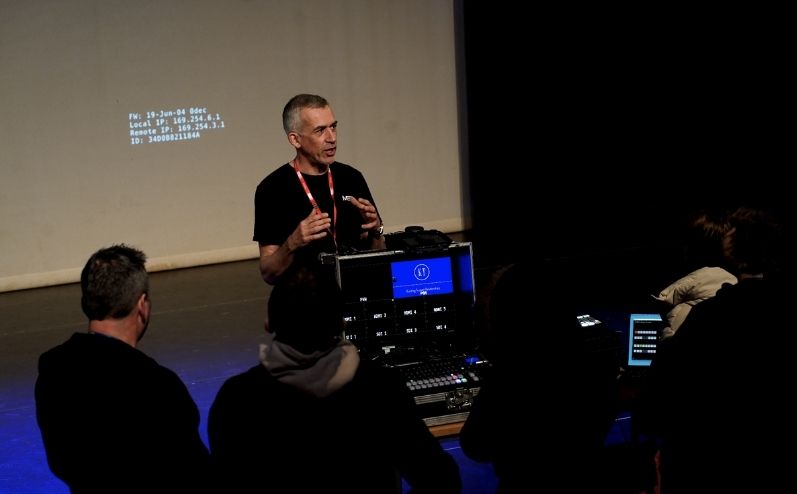
Students Take Part in Professional Event Production Masterclass
Our L3 Production & Events and T-level Media students learn from industry in a specialist masterclass with leading professional events production company, MSP Global.
5 February 2026
- College
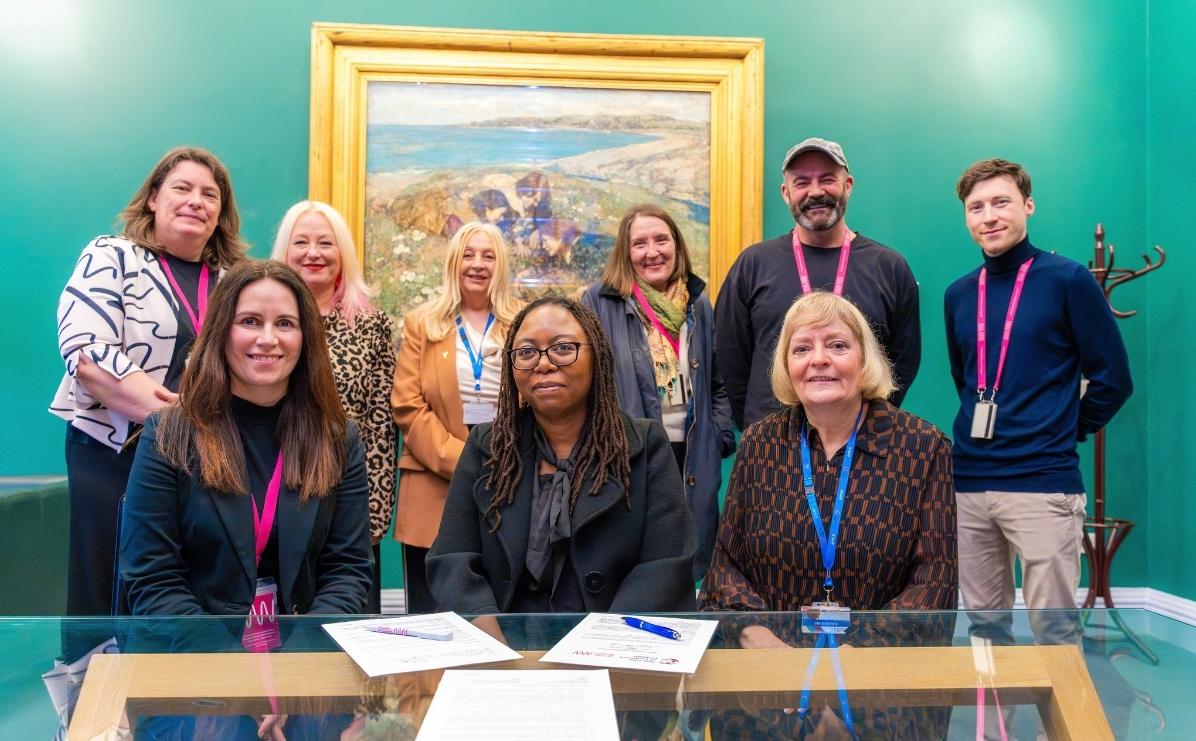
The College joins forces with National Museums Liverpool to boost skills and opportunity
The City of Liverpool College and National Museums Liverpool have signed a Memorandum of Understanding to formalise their collaboration across a range of projects designed to benefit learners, communities and the wider Liverpool City Region.
2 March 2026
- Construction and Trades
- Engineering and Manufacturing
- Health and Social Care
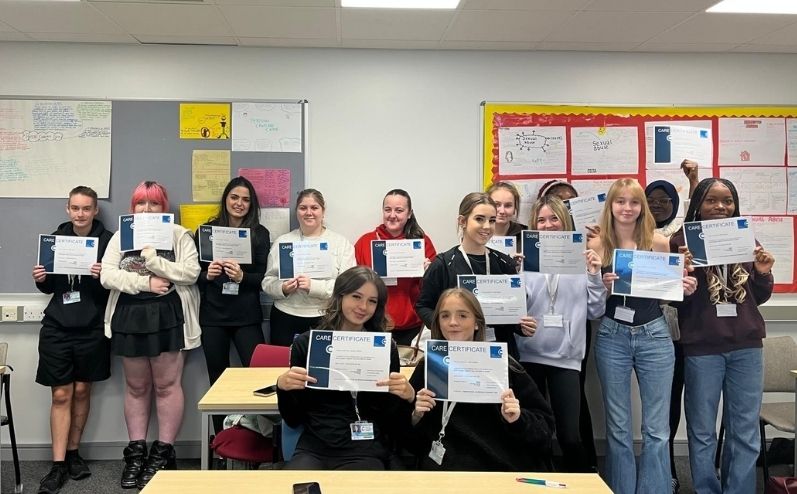
We’re Celebrating National T-levels Week 2025!
To mark National T-levels Week, we caught up with our incredible T-level students to learn how they’re gaining valuable, hands-on experience that prepares them for real-world success!
23 October 2025